

At AC Dance, we are committed to providing our students with an essential technical foundation. As a ballet-based studio, we believe that ballet is an integral part of every dancer’s training. During placement week, we will evaluate each dancer to determine the most appropriate level for the upcoming year.
We prioritize quality and technical proficiency over age. Dancers do not automatically progress to a new level each year; our priority is to develop each student properly and safely. Building a strong foundation in technique, vocabulary, and artistry takes time, and rushing this process can compromise a dancer's growth.
Dancers who maintain consistent attendance—including assigned and makeup classes—and continue training throughout the summer will develop a stronger mindset and a better foundation for the craft. For those who wish to train more intensively, private lessons are available to provide deeper insight into each discipline.
The quality of the dancers we have trained is a testament to the effectiveness of our program.

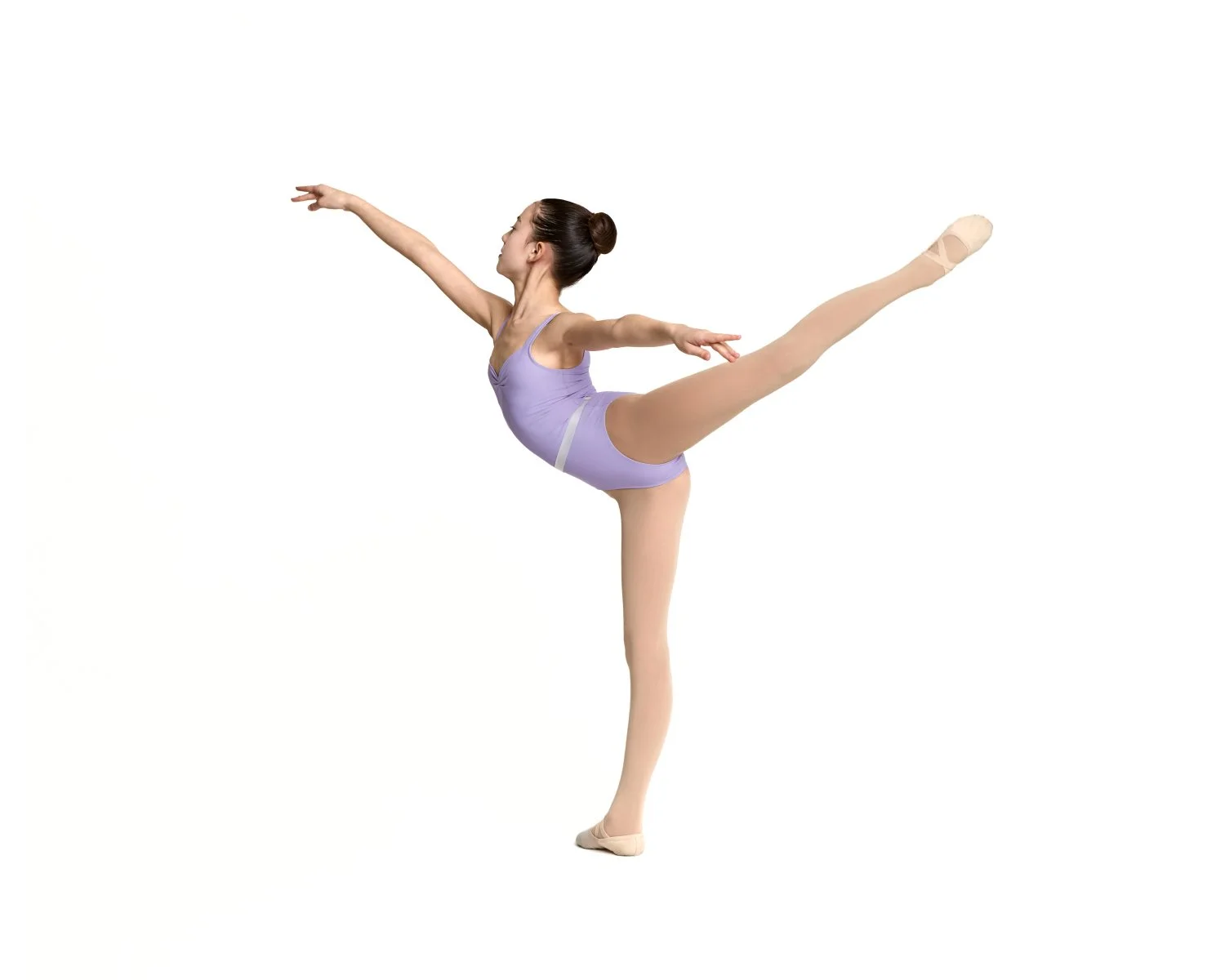
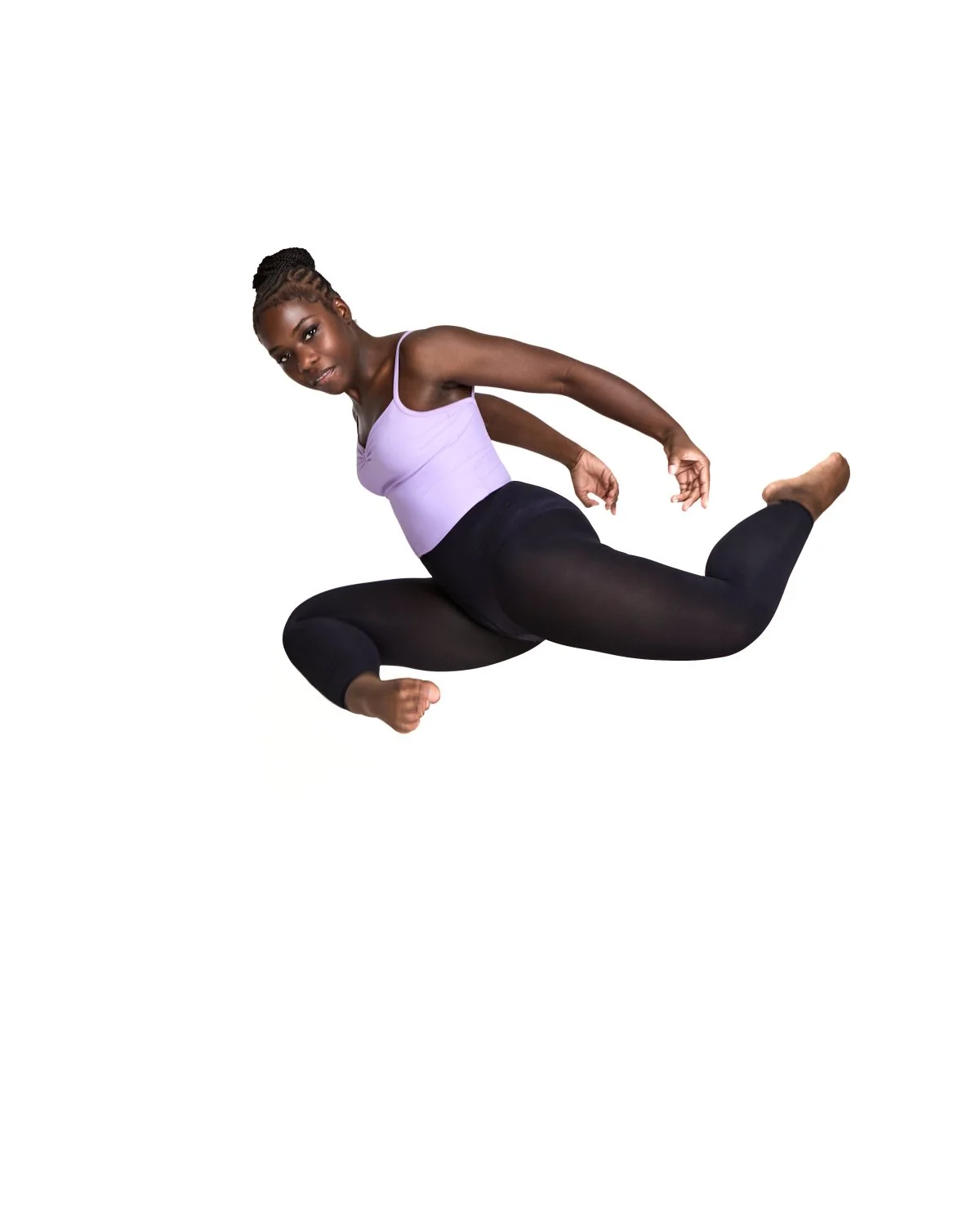
Key details regarding progression:
Why Levels Take Time: Multiple years are often required to develop the necessary technique, core strength, and muscle memory to advance safely without risking injury.
Typical Progression: While beginners might advance faster, intermediate levels (such as Ballet 3/4) often take longer to complete as technique becomes more rigorous.
Factors Influencing Time: The number of classes taken per week (usually 2+ for steady progress) and the dancer's ability to apply corrections determine speed.
Repeating Levels: It is normal and not a sign of failure to repeat a level to ensure a solid foundation, especially before advancing to pointe work.
Key takeaways for starting Pointe work:
Keep in mind that pointe work is not required, nor is it the right path for every student. Dancers can continue to progress significantly in many other areas of dance without training en pointe.
For those interested in being evaluated for pointe, the requirements are as follows:
Age: Students must be at least 11 years old, unless otherwise approved by the Director.
Experience: 3–4 years of consistent training in ballet technique (experience in other dance disciplines does not apply).
Commitment: A minimum of 2–3 ballet classes per week.
Evaluation: Students must pass the pointe evaluation given in December.
Key takeaways for starting Horton Technique:
Safety and Injury Prevention: Ballet builds core strength and body alignment, protecting dancers from injury when performing high-energy and complex Horton movements.
Physical Control and Power: Ballet's emphasis on technique and control allows for better execution of the sharp, clean lines and strength required in Horton.
Efficient Learning: Just as ballet acts as a foundation for many dance forms, it allows dancers to understand fundamental movement, making it easier to master the specific, often challenging, technical aspects of the Horton technique.
Structural Understanding: Similar to a ballet barre, the Horton technique requires a developed understanding of how to transition from floor work to standing, which is supported by a prior background in classical training.
Adaptability: A strong ballet background ensures that dancers have the flexibility, strength, and stamina to manage the demanding nature of the Horton technique.
Ideal Age Range: Often introduced for intermediate/advanced, starting around age 10-12.
Sourced from Dance Magazine and Alvin Ailey